

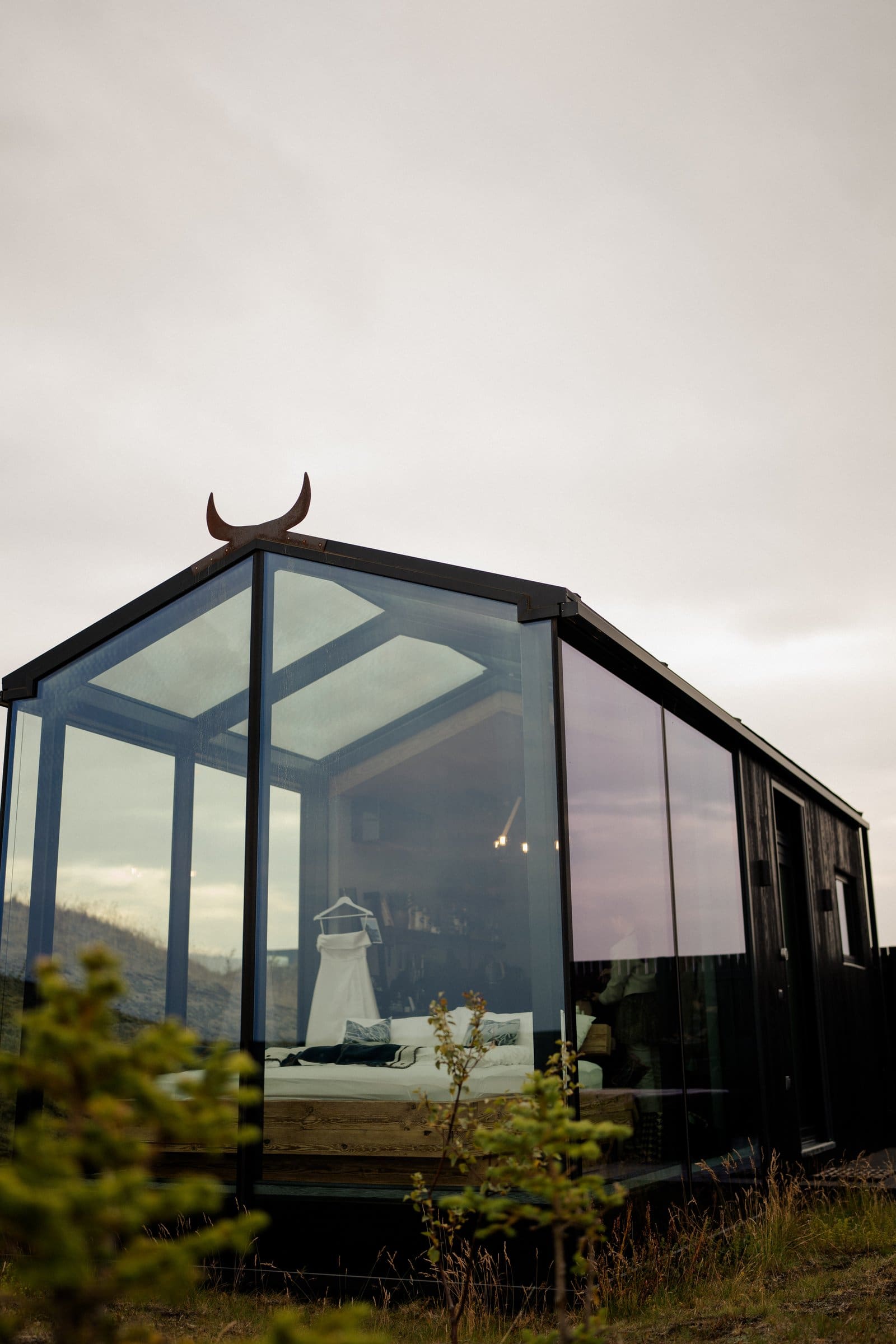
By Joel Reyes, Destination Elopement Photographer
Last updated: March 2026
Iceland is the most otherworldly elopement destination on the planet. Glaciers, volcanoes, black sand beaches, waterfalls that drop hundreds of feet, and light that looks like it was designed for photography. I’ve photographed elopements across Iceland and it remains one of the most requested destinations my couples ask about.
This is the complete guide to planning your Iceland elopement.
Why Elope in Iceland
The landscape is unlike anywhere else. Within a single day you can stand inside an ice cave, walk across a black sand beach, hike to a glacier, and exchange vows behind a waterfall. No other country packs this much variety into such a compact area.
No residency requirement for marriage. Iceland allows foreigners to legally marry in the country. The paperwork takes some planning, but it’s straightforward.
Midnight sun and Northern Lights. Depending on when you visit, you get either 24 hours of golden light (summer) or the chance to say your vows under the aurora borealis (winter). Both are extraordinary.
Small, safe, and easy to navigate. Iceland’s Ring Road connects most major destinations. The country is safe, English is widely spoken, and the infrastructure is excellent for a country of 380,000 people.
Best Elopement Locations in Iceland
South Coast (The Golden Circle and Beyond)
Seljalandsfoss: A waterfall you can walk behind. The cave behind the falls creates a dramatic, enclosed ceremony spot. Mist will hit you, so plan for wet conditions. Best at sunset when the light comes through the water.
Skogafoss: A massive, powerful waterfall with a flat area at its base perfect for ceremonies. Climb the stairs beside the falls for elevated portraits with the waterfall and coastline below.
Reynisfjara Black Sand Beach: Dramatic basalt columns, crashing waves, and jet-black sand. The sea stacks (Reynisdrangar) are visible offshore. Beautiful but dangerous. Never turn your back on the waves.
Vik: The southernmost village in Iceland. Colorful buildings, a hilltop church, and proximity to Reynisfjara. Good base for a South Coast elopement.
Solheimasandur Plane Wreck: A US Navy DC-3 that crashed in 1973 sits on a black sand beach. Surreal, photogenic, and iconic. Requires a 45-minute walk each way across flat terrain.
Glacier Lagoon Area
Jokulsarlon Glacier Lagoon: Icebergs float in a glacial lagoon at the edge of Vatnajokull glacier. The ice is blue, white, and black. One of the most photographed locations in Iceland.
Diamond Beach: Just across the road from Jokulsarlon. Chunks of glacier ice wash up on the black sand beach, looking like scattered diamonds. Stunning at sunrise and sunset.
Glacier hiking: Several outfitters offer guided glacier walks on Vatnajokull or Solheimajokull. You can exchange vows on the glacier itself. Crampons and a guide are required.
Ice Caves
Crystal Ice Cave (Vatnajokull): Natural ice caves form inside the glacier each winter (November through March). The ice is translucent blue and the light inside is ethereal. These caves change every year and access is weather dependent.
Ice cave elopements are bucket list experiences but require flexibility. Caves can close without notice due to weather or structural changes. Always book with a certified guide.
Highlands and Interior
Landmannalaugar: Rainbow-colored rhyolite mountains in the interior highlands. Accessible only in summer (late June through September) via 4×4 vehicles. Remote, dramatic, and uncrowded.
Haifoss: A 122-meter waterfall in a dramatic canyon. Less visited than the South Coast waterfalls. Requires a 4×4 and some hiking.
Snaefellsnes Peninsula
Kirkjufell: Iceland’s most photographed mountain. The distinctive shape with the waterfall (Kirkjufellsfoss) in the foreground is iconic.
Budir Black Church: A small black wooden church on the Snaefellsnes Peninsula with mountain and ocean views. One of the most popular ceremony locations in Iceland.
Arnarstapi: Dramatic coastal cliffs with natural stone arches and basalt formations. A short walk from the village.
Reykjavik
Hallgrimskirkja Church: The iconic church in downtown Reykjavik. The distinctive concrete facade is a landmark.
Harpa Concert Hall: Modern glass architecture on the waterfront. Striking for photos, especially at night.
City elopements: Reykjavik offers a vibrant arts, food, and nightlife scene for couples who want an urban element to their elopement day.
Iceland Elopement Permits and Legal Requirements
Getting Legally Married in Iceland
To legally marry in Iceland, you need:
1. Certificate of No Impediment (or equivalent from your home country) confirming you’re free to marry. In the US, this is typically a sworn affidavit.
2. Birth certificates for both partners (translated to English if not already).
3. Valid passports.
4. Submit documents to the District Commissioner (Syslumadur) at least 3 weeks before the ceremony.
5. An authorized officiant. Can be a minister, priest, or civil officiant registered in Iceland.
Timeline: Start the paperwork 2 to 3 months before your elopement date. The District Commissioner’s office needs time to process.
Alternative: Many couples have a symbolic ceremony in Iceland and handle the legal paperwork at home. This is simpler and gives you full flexibility on location and timing.
Location Permits
Most natural locations in Iceland do not require specific ceremony permits for small groups (just the couple plus a photographer). However:
National parks and nature reserves may have restrictions. Check with the relevant park authority.
Private land requires permission from the landowner.
Churches (Budir, Hallgrimskirkja) require booking through the church.
Best Time to Elope in Iceland
Summer (June through August)
Pros: Midnight sun (nearly 24 hours of light in June), access to highland roads, green landscapes, warmer temperatures (50 to 60°F), all roads open.
Cons: More tourists, higher prices, no Northern Lights.
Best for: Couples who want endless golden hour, highland adventures, and the most accessible Iceland.
Winter (November through March)
Pros: Northern Lights, ice caves open, dramatic moody skies, snow-covered landscapes, fewer tourists.
Cons: Limited daylight (4 to 6 hours in December), some roads closed, colder temperatures (25 to 40°F), weather can be extreme.
Best for: Couples who want Northern Lights, ice caves, and a more dramatic, intimate experience.
Shoulder Seasons (September/October and April/May)
Pros: Northern Lights possible (Sept/Oct), fewer crowds, lower prices, some highland access (Sept).
Cons: Weather is unpredictable. Roads may be partially closed.
Best for: Couples who want a balance of accessibility and Northern Lights potential.
My recommendation: September or February. September gives you Northern Lights potential with reasonable daylight and still-accessible roads. February gives you ice caves, Northern Lights, and moody winter light with slightly more daylight than December.
How Much Does an Iceland Elopement Cost?
Flights from the US: $400 to $1,200 per person round trip (East Coast is cheapest via Icelandair or PLAY airlines).
Photography (full day): $4,000 to $10,000+ depending on the photographer. My Iceland packages start at the full-day level since the travel investment deserves comprehensive coverage.
Officiant: $300 to $600 for a symbolic ceremony.
Lodging: $150 to $500+ per night. Hotels in Reykjavik and along the South Coast range widely.
Rental car: $80 to $200/day. A 4×4 is recommended (and required for highland roads). Always get the gravel protection insurance.
Flowers: $200 to $500 (order from a Reykjavik florist for pickup or delivery).
Hair and makeup: $300 to $600 in Reykjavik.
Ice cave tour: $150 to $300 per person.
Glacier hike: $100 to $200 per person.
Total estimate: $8,000 to $20,000+ for a complete Iceland elopement experience (not including your photographer’s travel, which varies by package).
What to Wear for an Iceland Elopement
Layers are non-negotiable. Iceland weather changes rapidly. Pack:
Base layer: Thermal underwear (merino wool recommended).
Mid layer: Fleece or down jacket.
Outer layer: Waterproof, windproof shell jacket.
Footwear: Waterproof hiking boots with good traction. The terrain is often wet, rocky, or icy.
For the ceremony: Many brides wear their dress with thermals underneath and a warm coat that they remove just for the vows and photos. Capes, shawls, and faux fur wraps look beautiful and keep you warm.
Wind: This is the biggest factor. Iceland is consistently windy. Secure your hair, anchor your veil (or skip it), and embrace the movement in your dress. It photographs beautifully.
Sample Iceland Elopement Timeline (Winter)
Day 1 — Arrive and Explore
Fly into Keflavik. Pick up rental car. Drive to Reykjavik. Rest, explore the city, dinner.
Day 2 — The Elopement
9:00 AM Depart Reykjavik, drive south along Route 1.
11:00 AM Arrive at Seljalandsfoss. First look behind the waterfall.
12:00 PM Ceremony at Skogafoss. Vows at the base of the falls.
1:00 PM Portraits along the South Coast.
2:30 PM Reynisfjara Black Sand Beach. Dramatic coastal portraits.
3:30 PM Golden hour (winter sun is low all day, creating extended golden light).
4:00 PM Sunset portraits. The light in Iceland at sunset is extraordinary.
Evening Check into hotel in Vik. Dinner. Watch for Northern Lights.
Day 3 — Glacier and Ice
Morning Drive to Jokulsarlon Glacier Lagoon. Diamond Beach portraits.
Afternoon Ice cave tour (if available). Glacier walk.
Evening Drive back toward Reykjavik or continue the Ring Road.
Ready to Elope in Iceland?
Iceland is one of my favorite places to photograph. The landscapes are genuinely unreal, and the experience of exchanging vows on a glacier or behind a waterfall is something your guests at a traditional wedding will never stop talking about (even though they weren’t there).
I handle all the planning: route, timing, location scouting, vendor coordination, and backup plans for weather. You just show up and get married.
[Start Planning Your Iceland Elopement →]








Read the Comments +