

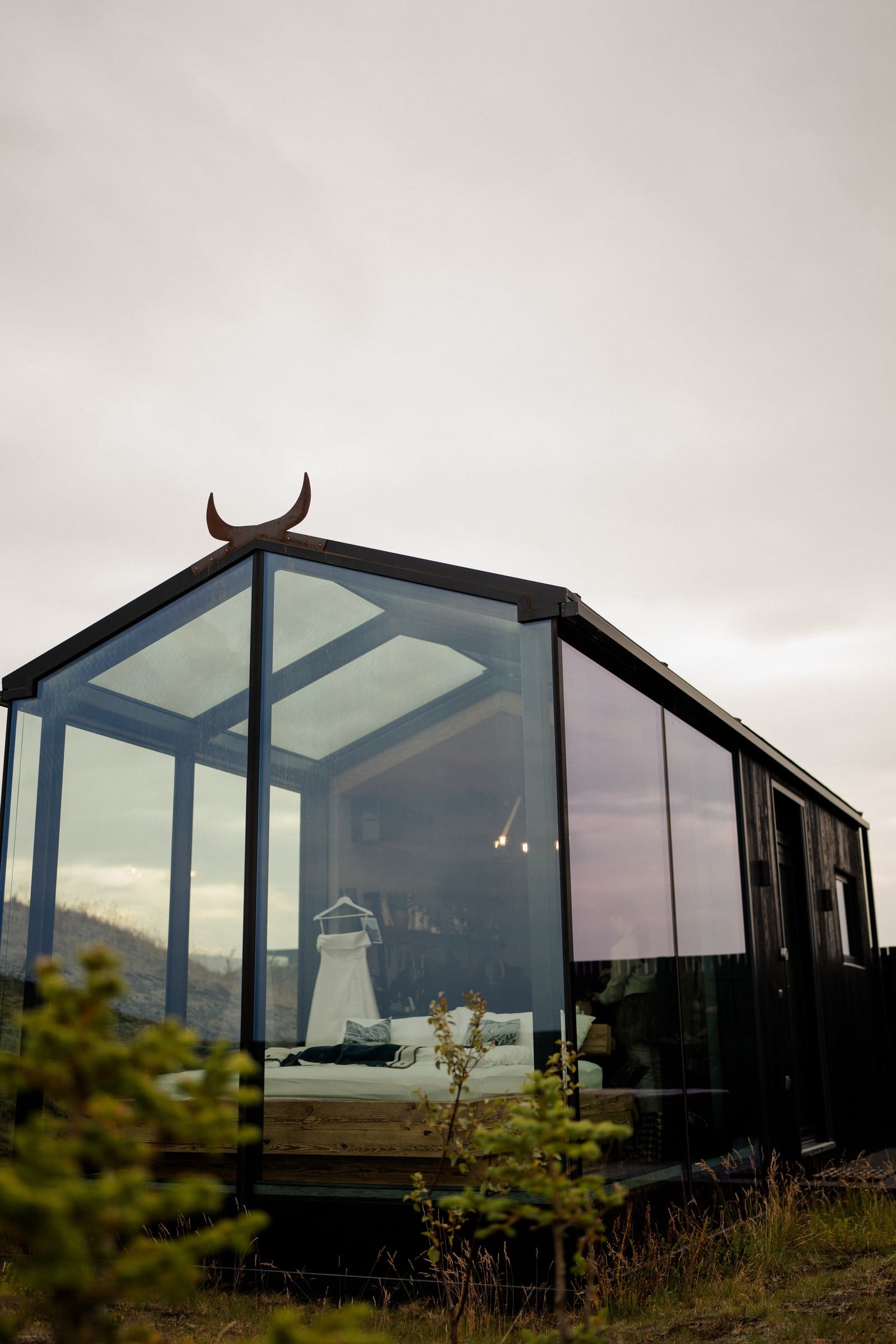
Everything You Need to Know About Getting Married in the Land of Fire and Ice
Iceland is a place that rewires your brain. Black sand beaches with columns of basalt rising from the surf. Glaciers calving into lagoons filled with icebergs. Waterfalls so powerful you can feel the ground vibrate under your feet. Volcanic landscapes that look like the surface of another planet. And then, if you are lucky, the northern lights dancing across the sky while you hold the person you love.
I have photographed elopements in some of the most spectacular places on Earth, and Iceland consistently delivers moments that stop you in your tracks. The landscape is relentless. Every direction you look, there is something that takes your breath away. And that is exactly why it has become one of the most sought after elopement destinations in the world.
This guide covers everything you need to plan your Iceland elopement: the best locations, when to go, what it costs, the legal process, and the practical details that make the difference between a stressful trip and the adventure of a lifetime.
Why Iceland for Your Elopement
Iceland packs more geographic diversity into a small island than most continents. Within a single day of driving, you can stand on a glacier, walk behind a waterfall, explore a volcanic canyon, watch waves crash on a black sand beach, and soak in a geothermal hot spring. The scale of the landscape is almost incomprehensible, and it changes every few miles.
There is also an energy to Iceland that is hard to describe until you experience it. The elements feel raw and close. Wind, rain, mist, sudden bursts of sunlight breaking through storm clouds. Nothing is manicured. Nothing is polished. It is nature at its most honest, and that honesty creates a backdrop for your vows that no ballroom or garden will ever match.
Logistically, Iceland is surprisingly accessible. Direct flights from major US cities take 5 to 7 hours. Everyone speaks English. The Ring Road (Route 1) circles the entire island and is well maintained. You do not need a guide or special equipment for most elopement locations. Rent a car, drive, and the landscape unfolds.
Best Elopement Locations in Iceland
Vik and Reynisfjara Black Sand Beach
The south coast town of Vik and its surrounding beaches are ground zero for dramatic Iceland elopement photography. Reynisfjara is the most famous: a vast expanse of jet black sand with hexagonal basalt columns rising like a natural cathedral and the Reynisdrangar sea stacks jutting from the ocean offshore. The power of the waves here is real. Sneaker waves are a genuine hazard, so always respect the water line and pay attention to conditions.
What makes Reynisfjara exceptional for elopements is the contrast. A white dress against black sand. Two people standing small against massive basalt formations. The ocean roaring behind you. The images are striking in a way that is completely unique to this landscape.
Best time: Morning or late afternoon for smaller crowds. The beach faces south, so light is good throughout the day.
Weather note: Wind can be intense. Veils and loose fabrics will blow dramatically (which photographs beautifully) but be prepared.
Safety: Never turn your back on the ocean. Waves here are unpredictable and powerful.
Skogafoss
A 200 foot waterfall that falls in a perfect rectangular curtain of water. On sunny days, the mist creates a double rainbow at the base. A staircase on the east side takes you to the top, where you can see the waterfall from above and the coastline stretching south. Skogafoss is one of the most accessible major waterfalls in Iceland, located right off Route 1 with a parking lot steps away.
For elopements, the base of the waterfall provides the iconic shot: the two of you standing in the mist with that massive curtain of water behind you. The top offers a completely different perspective, more expansive and dramatic. We usually hit both.
Seljalandsfoss
The waterfall you can walk behind. Seljalandsfoss drops 200 feet over a cliff with a cave behind it, allowing you to walk a path that takes you completely behind the curtain of water. The view from behind the falls, looking out through the water to the green landscape beyond, is one of the most unique photo opportunities in Iceland.
Practical note: the path behind the falls is wet and slippery. Waterproof shoes are essential. In winter, the path may be closed due to ice. Bring a rain jacket even in summer because the spray is constant.
Jokulsarlon Glacier Lagoon and Diamond Beach
Icebergs. Actual icebergs, calved from the Vatnajokull glacier, floating in a lagoon that empties into the ocean. Some are white, some are blue, some are streaked with volcanic ash. Across the road, Diamond Beach is where smaller ice chunks wash up on black sand, looking like scattered diamonds catching the light. It is surreal.
This is one of the most photographed locations in Iceland for good reason. The combination of ice, black sand, and ocean creates compositions that look like they were designed by an artist. For elopements, Diamond Beach at sunrise or sunset, when the ice catches golden or pink light, is absolutely extraordinary.
Fjadrargljufur Canyon
A 300 foot deep canyon carved by a river over thousands of years, with lush green walls and a winding river at the bottom. Fjadrargljufur is dramatic but intimate, a hidden world that feels ancient and untouched. A walking path along the rim gives you views down into the canyon that are genuinely vertigo inducing.
This location gained massive popularity after appearing in a music video and has since dealt with closures due to environmental damage from foot traffic. As of 2026, access may be restricted or require staying on designated paths. Always check current conditions before including it in your plan.
Stokksnes and Vestrahorn
Vestrahorn is a dramatic mountain on the southeast coast, rising sharply from a black sand beach with tidal flats that create perfect mirror reflections on calm days. Stokksnes is the beach area at its base. The combination of the jagged mountain, the dark sand, and the reflections is one of the most photogenic landscapes in Iceland.
Access to Stokksnes requires a small fee (paid at the nearby Viking Cafe). The area is less visited than the south coast waterfalls, which means more privacy for your elopement. The drive from Vik takes about 2.5 hours, so plan accordingly.
Budir Black Church
A small black wooden church on the Snaefellsnes Peninsula, surrounded by a lava field with mountains and ocean in the background. Budir is Iceland distilled into a single image: stark, beautiful, and hauntingly atmospheric. The church itself is tiny (seats about 30) and ceremonies there require advance booking, but even using the exterior and surrounding landscape as a backdrop creates powerful images.
The Highlands (Landmannalaugar, Thorsmork)
For the truly adventurous. The Icelandic Highlands are accessible only by 4×4 vehicles during summer months (roughly June through September, depending on conditions). The landscapes here are other worldly: rainbow colored rhyolite mountains at Landmannalaugar, glacier fed valleys at Thorsmork, and almost complete solitude. If you want to elope somewhere that feels like you are the only two people on Earth, the Highlands deliver.
Legal Requirements
Getting legally married in Iceland as a foreign citizen is more straightforward than many destination countries, but it still involves paperwork.
What you need:
- Completed marriage application from the Registers Iceland office (Thujonustustofa kirkjunnar)
- Valid passports
- Birth certificates (certified copies)
- Proof of marital status (single, divorced, or widowed, with documentation)
- If previously married: divorce decree or death certificate of former spouse
- All documents must be certified with an apostille
- Documents may need to be translated into Icelandic or English
- Submit paperwork 3 to 4 weeks before your planned date
What most couples do: Same as with other international elopements, most couples get legally married at home (quick courthouse ceremony) and have a symbolic ceremony in Iceland. This eliminates the paperwork, gives you full flexibility on locations, and lets you focus on the experience. Some US states allow remote solemnization that can be recognized in Iceland, so check with your officiant about options.
If you do want a legal ceremony in Iceland, the process is manageable. You just need to start the paperwork well in advance. An Icelandic officiant (priest, minister, or district commissioner) must perform the ceremony for it to be legally recognized.
Best Time of Year
June through August (Midnight Sun): The classic Iceland summer. Nearly 24 hours of daylight during the summer solstice. Green landscapes, accessible highland roads, the warmest temperatures (50°F to 60°F / 10°C to 15°C), and the longest windows for photography. The downside: this is peak tourist season. Popular locations will have other visitors. The midnight sun means you can do a “sunset” ceremony at 11 PM with golden light that lasts for hours.
September through October: Fall colors, fewer tourists, and the northern lights begin. Daylight hours shorten but you gain the possibility of aurora borealis at your elopement. Highland roads close in September or October depending on conditions. This is my favorite time for Iceland elopements: you get variety, drama, and the chance for something truly magical.
November through February: Winter. Short days (4 to 6 hours of daylight), cold temperatures, and potentially harsh weather. But also: the best northern lights viewing, ice caves inside glaciers (accessible only in winter), snow covered landscapes, and a moody atmosphere that creates intensely dramatic photographs. Winter elopements require more planning and flexibility, but the payoff is extraordinary.
March through May: Shoulder season. Days are lengthening, some snow remains, waterfalls are running heavy from snowmelt, and crowds are minimal. Ice caves may still be accessible in March. This is the best kept secret for Iceland elopements: you get elements of both winter and summer without the extremes of either.
What It Costs
Iceland is not cheap. Here is a realistic breakdown:
Flights: $400 to $1,200 per person from the US (direct flights from major East Coast cities, one stop from the West Coast). Icelandair and PLAY airlines offer the most direct routes. Shoulder season fares are significantly cheaper.
Car rental: $80 to $250 per day depending on season and vehicle type. A 4×4 is essential for highland roads and recommended for winter driving. Standard vehicles work fine for summer Ring Road travel. Add comprehensive insurance (gravel, sand, and ash damage are real risks in Iceland).
Lodging: $150 to $400+ per night. Guesthouses and Airbnbs start around $120 to $150. Boutique hotels like the ION Adventure Hotel or Hotel Ranga run $250 to $400. Budget options exist but book early, especially in summer.
Photographer: $3,000 to $8,000+ depending on coverage and travel requirements. A photographer who knows Iceland will save you time, help with logistics, and know exactly where to be when the light is right.
Officiant: $300 to $800.
Hair and makeup: $300 to $600. Most elopement MUAs in Iceland are based in Reykjavik and may charge a travel fee for south coast locations.
Total realistic budget: $8,000 to $20,000 for two people, including travel, a 3 to 5 day trip, and a full elopement day.
What to Pack
Iceland weather is famously unpredictable. The locals have a saying: “If you don’t like the weather, wait five minutes.” Here is what I tell every couple:
- Layers: Base layer (merino wool or synthetic), mid layer (fleece or down), outer layer (waterproof and windproof). This applies year round.
- Waterproof everything: Rain jacket, rain pants, waterproof shoes or boots. Waterfall mist, rain, and mud are constants.
- Wind protection: Iceland wind is no joke. It can knock you off balance. Make sure your outer layer is windproof, not just water resistant.
- Wedding attire considerations: Bring a warm cover up for between shots. Consider your dress length (long trains in Icelandic wind and mud require careful planning). Boots for walking, ceremony shoes for the actual ceremony. Grooms: a warm coat that looks good is essential.
- Hand warmers: Especially for winter elopements. Your fingers will thank you during portraits.
Frequently Asked Questions
Can we see the northern lights during our elopement?
If you elope between September and March, there is a chance. The northern lights require darkness and clear skies, plus solar activity strong enough to produce visible aurora. I monitor aurora forecasts during fall and winter elopements and build flexibility into the timeline so we can chase them if conditions look promising. Nothing is guaranteed, but when it happens, it is the most incredible thing you will ever experience.
Is it safe to drive in Iceland?
Yes, with preparation. Route 1 (the Ring Road) is paved and well maintained. Gravel roads require slower speeds and attention. Winter driving requires experience with icy conditions or a very good 4×4. Always check road conditions at road.is before driving. Single lane bridges are common. Wind advisories are real and should not be ignored. If your rental car door catches a gust and gets damaged, you are paying for it.
Do we need a permit to elope in Iceland?
As of 2026, permits and regulations for professional photography and ceremonies at popular locations are becoming more common. Environmental protection measures have increased, especially around fragile moss areas, volcanic zones, and high traffic sites. Your photographer should be current on all permit requirements and location restrictions. Fines for environmental damage (even accidental, like stepping on moss) are significant.
What about volcanic activity?
Iceland has ongoing volcanic activity, particularly in the Reykjanes Peninsula area near Reykjavik. Eruptions can close roads and affect air quality. This does not mean Iceland is dangerous for elopements. It means your planning should include awareness of current conditions and backup locations. Volcanic landscapes are also some of the most photogenic places on the island.
Can we do a helicopter or small plane elopement?
Yes. Several operators offer helicopter flights to glaciers, highlands, and remote locations inaccessible by road. A glacier landing for your ceremony is bucket list material. Costs range from $2,000 to $5,000+ depending on the flight time and destination.
How many days should we plan for?
Minimum 3 days, recommended 5 to 7. This gives you time to adjust to jet lag, explore, have your elopement day with a relaxed timeline, and build in weather contingency. Iceland rewards slow travel. Rushing through it means missing the magic that happens between destinations.
Start Planning Your Iceland Elopement
Iceland is waiting. If you are imagining vows exchanged on a black sand beach, under a waterfall, beside a glacier, or beneath the northern lights, I want to help you make that vision real. Every elopement I photograph starts with a conversation about who you are and what moves you. Let’s start there.








Read the Comments +